

Samhain: Initiations in the Dark
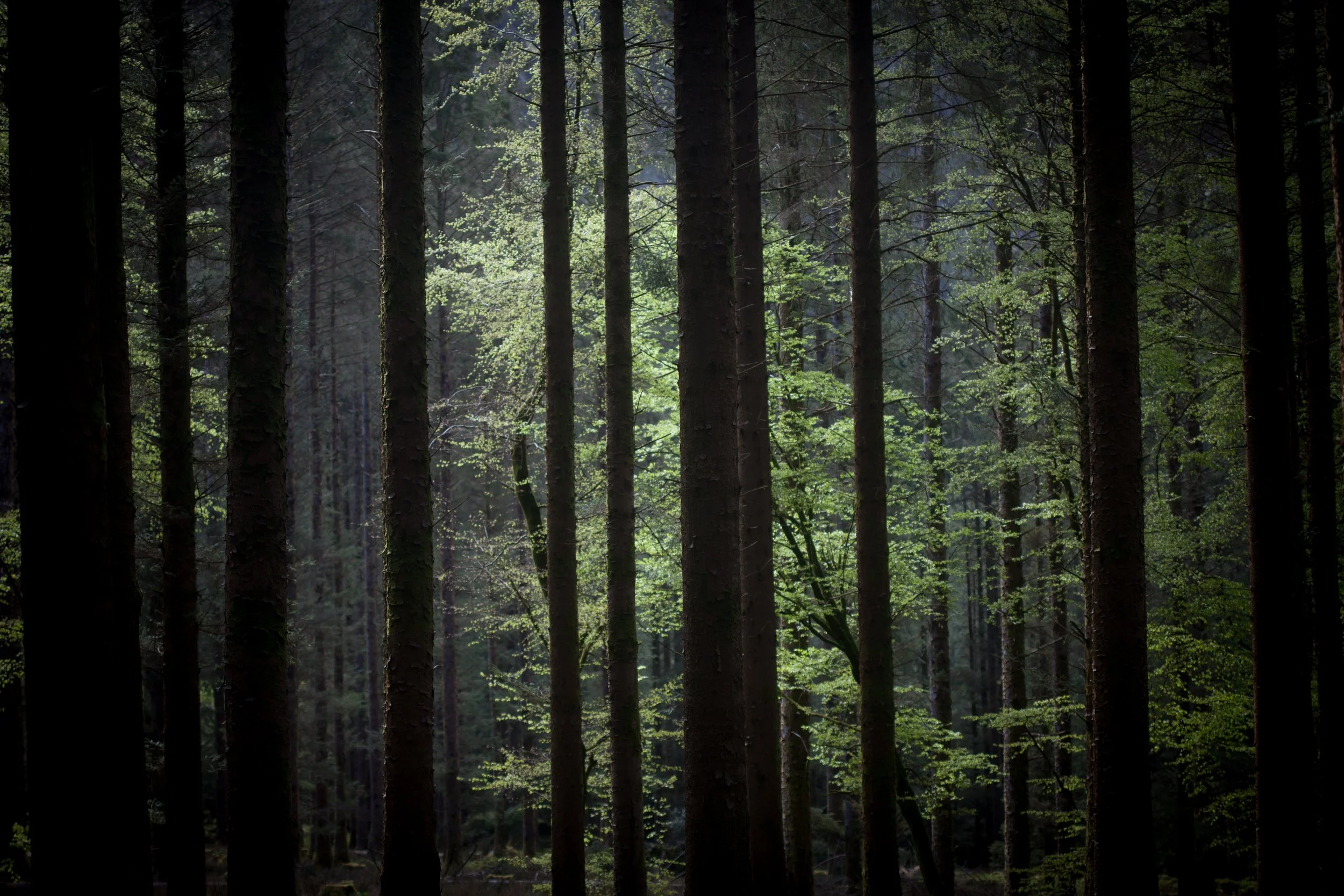
The hedgerows made a chequerboard of the land below me. Leaving Dublin, morning turned to dawn, then dark, flying westwards, back into the night. Time up high can do strange things, like curling you back into a dream.
I am travelling westwards to tend to a grief. A dear friend’s father passed away, and as she prepares for his life celebration, she asked that I accompany her. I can think of no greater honour: to accompany.
His death was anticipated, it was his time to pass, and they have both taken his leave with grace and an exquisite elegance of care. But still, how we learn to travel that threshold together, is everything. As much as I am doing this for her, it is my apprenticeship too; to get more skilled in navigating the so often painful, so often beautiful folding terrain of a life as we attempt to cross the landscapes of death, love, loss, homecomings.
To be an apprentice, I write in my journal, then jot down the qualities that it invites.
The mastery of a craft. Tacit holding and honing, through practice. Aligning with a lineage of elders and teachers. Adopting the novice mind. Knowing we won’t get it right first time, but with practice, and care, we can get more refined.
I look out the plane’s window, and invite those qualities to accompany me too, as moonlight tips the wings, reminding me that there are other sources of light available, even in the dark. It makes me think about how I can be more of that light, and remember that it too is an apprenticeship.
To be an apprentice to the light as well as the dark, I add to my journal.
The flight, the height, the moon, the travelling backwards into the dark, the apprenticeship with grief and loss, the tending; it all feels weirdly potent and symbolic, given the timing, for soon I will be on Northern Turtle Island, the ancestral lands of Mississaugas of the Credit, Anishnabeg, Chippewa, Haudenosaunee, and Wendat peoples, and is now home to diverse First Nations, Inuit, and Métis peoples, whose land I will be on for the Celtic New Year, as we cross another threshold, of Samhain. It feels all so appropriate, for this is a time of initiation, all about how we approach the living and the dying, and the rituals in-between.
The moon slivers below me, the descent is soon to begin.

Up here, close to the stars, I have been thinking too that it is time to invent a new verb, a little like summering or wintering, but with more transition built into it. Samhaining, or in Irish, to be ‘ag Samhain’. While wintering teaches us how to rest in the fallow dark and unknown, and summering how to celebrate our fullness, Samhaining, as a gesture of approach, has much to teach us about how to enter dark times.
I need not list all the ways in which we, human and creaturely kin alike, are experiencing the ruptures, fractures, factions and dis-ease the planet is moving through. They are global, and they are systemic, and I don’t think there is a single life form on this earth right now not impacted. For some it is the failures of politics and economics, for some it is a reckoning with the exposed cracks in our education, food, or health systems, or for others more a climate or ecological polycrisis. But they are so interwoven now, it’s impossible to untangle the threads. And so it is here I turn to the great elders, both in Ireland and beyond, to help me understand the drivers and leavers below it, and attempt to apprentice to their insights.
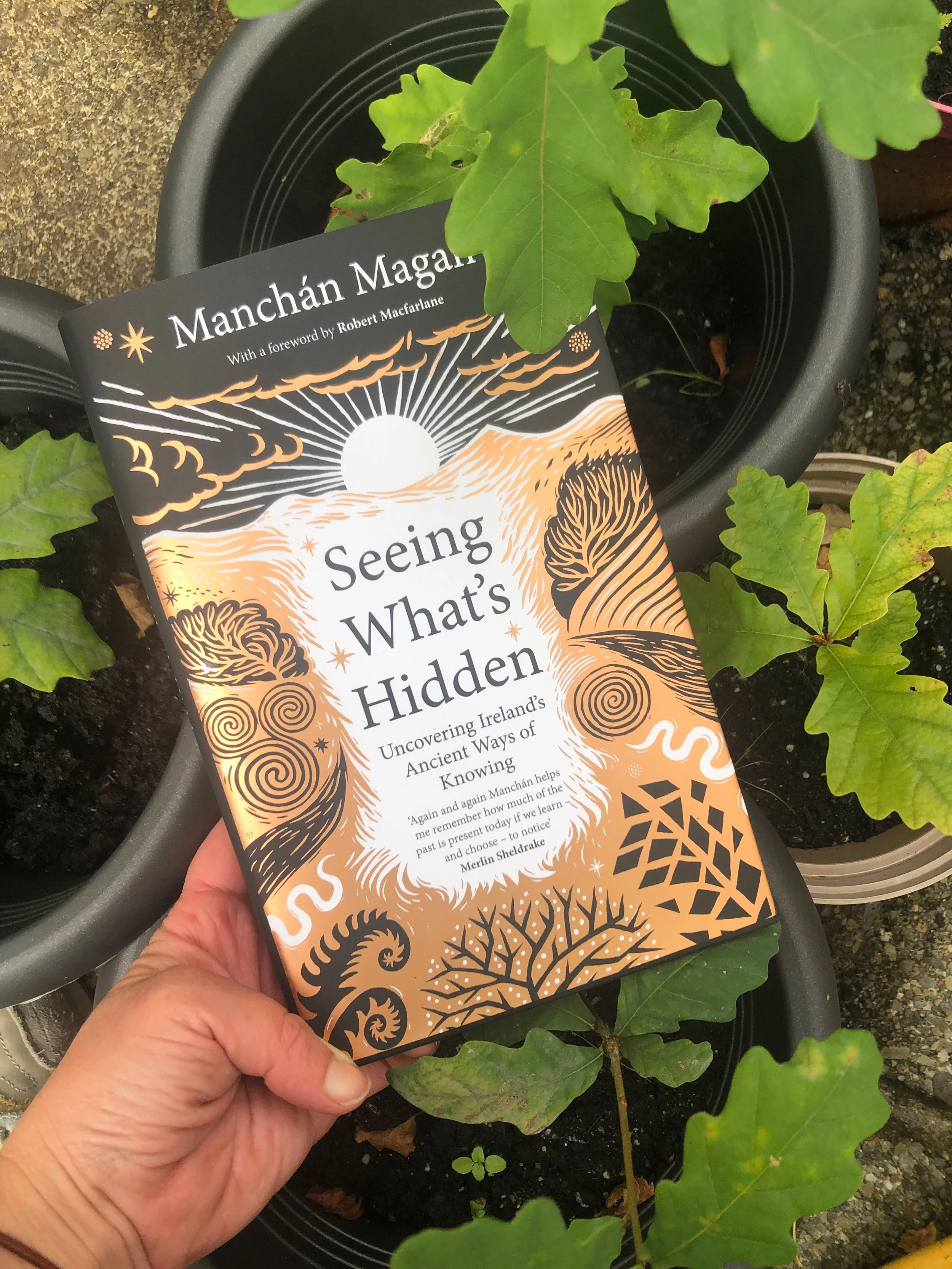
I turn to the likes of eco-philosopher, Joanna Macy, who shared her wisdoms on how we move to this collective Samhain, or in her words, ‘the Great Unravelling’. I turn to writer, psychotherapist and ‘grief tender’, Francis Weller, who speakers of how we are entering ‘The Long Dark’, and I think too of now of the late Manchán Magan, who was showing us how spirit, land and language are interwoven, and have everything to do with the health of our collective soul. For in the severance, we have been loosing touch with the sacred ground between us. How we reconnect, at ground level is also about re-connecting at soul level.
A little important note here. I am careful how I use the words ‘we’ and ‘us’, for not all ‘us’ and ‘we’ is equal. As a cis white female from a privileged background- privilege here being access to education, healthcare and opportunity, I speak from that particular vantage. I can work on revealing my blindspots and biases, but that too is a practice of care and craft. I need training, I need apprenticeship. And I say all this coming from a colonised land, where my language, culture, trees, seas, rivers and life forces have suppressed. When I see the chequerboard of hedgerows, I seek out the oaks. I am longing for the call of the curlew. In my ancestral bones, I can feel the pain like a grief that cuts me in two. Restoration must be lived forward, and backwards, which I am also realising is much to do with re-storying- finding and amplifying the stories which will help carry us through these dark times, which, in turn, brings me back to Samhain. For it is in my own lineage that I am finding the restoration, bone level, soul level. In the descent, the story is in fact rising. I’m slowly putting Irish words back into my mouth and mind, and I am trying to dream in myth, and listen to the land speak’. Plus I have access to this ancient calendar, which I discovered through my friends and mentors, Mari Kennedy and Dolores Whelan, with its wisdoms and its wise ways, a systematic map, which all begins with an initiation into the re-storying of the dark, and the anticipation of the treasure and tools we might find there.
As I have learned from over ten years now of working with the Celtic calendar, I know if I can lean into Samhain, I will encounter the healing properties of the rituals of the threshold; I’ll meet the dark crone of the Cailleach, and, as I continue the slow descent into the underworld, in Jungian terms, I’ll enter the alchemical period of the nigredo, where, if I can stay true to my apprenticeship with the dark, and travel through the unknown, I will be on the route of descent, a place of encounter in so many of the restorative myths. For here, was not just the known world, but the otherworld, the spirit world, the dark interior, or in Irish, altar. As Manchán has explained it, this is the ‘netherworld, or the other dimensions beyond, and we recognised there was only a thin veil between them’. And so it is here, at Samhain, on a precipice of the known, where the otherworld is said to push through, like a palm against the opposing face of foggy glass, declaring a presence. I am here, there is more to this dark than you can see. Tar isteach. Come inside.
Will fear grip us? Or will curiosity? The apprentice, of course, true to their craft, is a curious creature. They enter, and soon find themselves in a world of resplendent things. It is like, as the poet Rothke has said, ‘In a dark time, the eye begins to see’. I am hoping the ‘we’ can begin to see too.
The plane is soon to arrive. I will enter new territory, land I do not know, arriving for the first time here, into the arms of a grieving friend. We can Samhain together. I suspect there will be tears. But there will also be treasures and tools, glistening in the corners of the long night, both accompanied, the living and the dying, held together in a finely woven gossamer weave.
The moon slivers below me, the pilot’s voice cuts through, the descent is soon to begin.


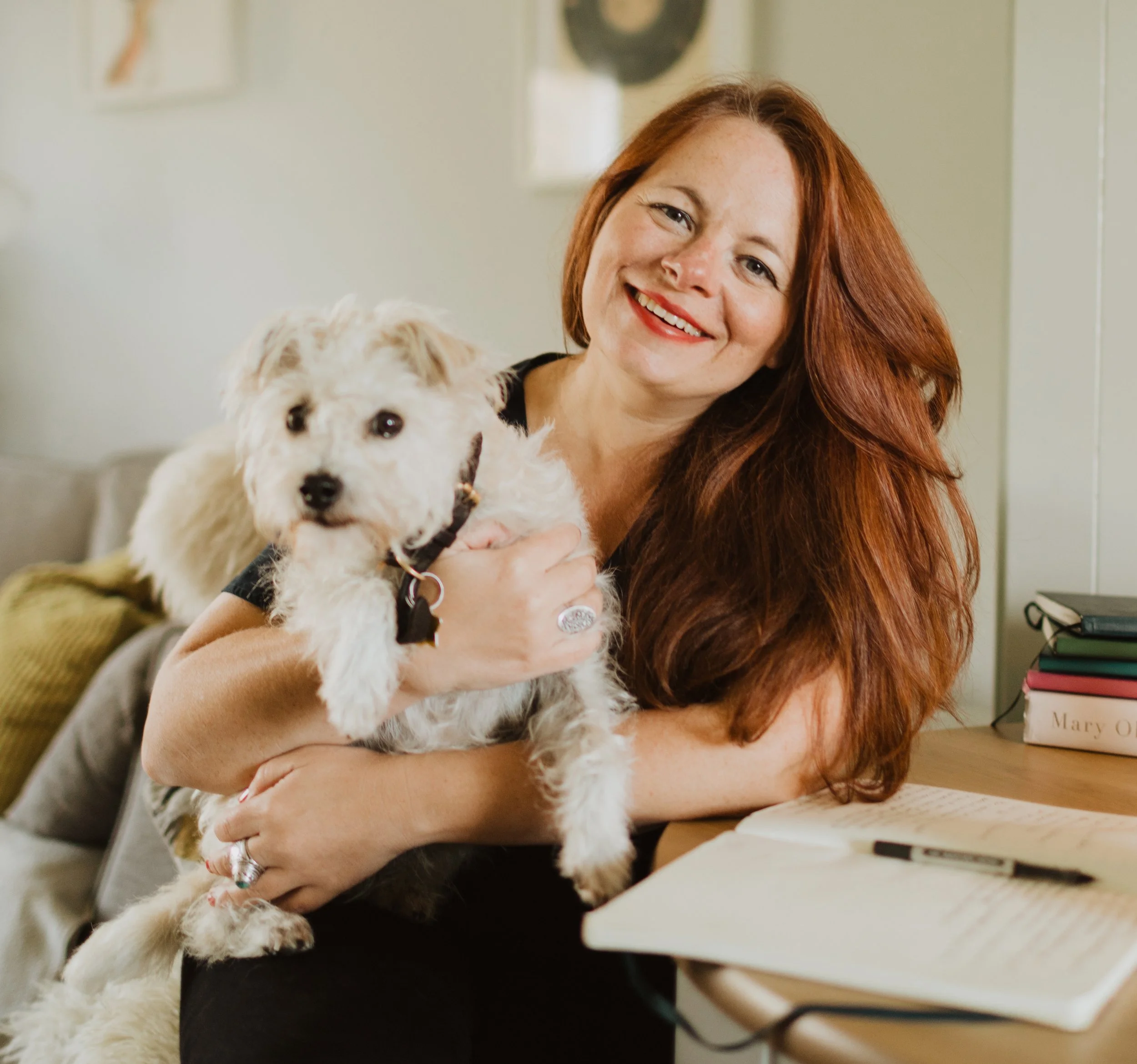
Hello. I'm Clare
I'm a writer, educator and facilitator, living in beautiful West Cork, Ireland. I love to share resources and learning to help harness the transformative power of words, place and story. I hope my work offers nourishment for mind and soul. Thank you for being here. Clare x


Samhain Salon Spellbook
Samhain Salon spell book by participants of Clare Mulvany’s poetry salon.
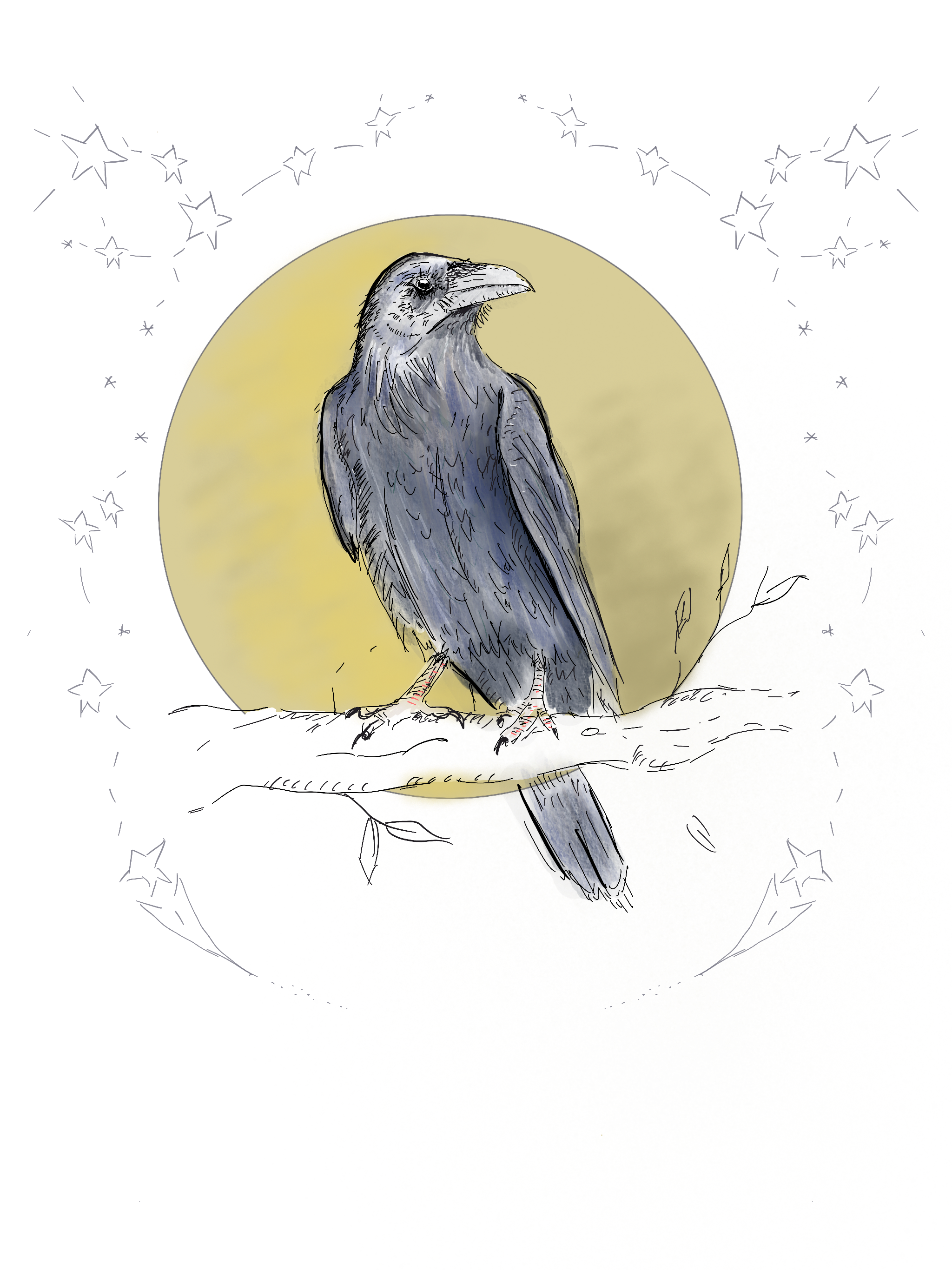
Approaching Samhain, we gathered.
The zoom squares are in rows, but if I could re-arrange them I’d put them in a circle, full of candles, and in the very centre, on this occasion, I’d place a cauldron. Instead, I carry my large computer monitor downstairs so I can be around my own fire and candles and books, and I place a metaphorical ‘cauldron’ in the centre. It’s where we’ll concoct some spells later.
We are calling in from Ireland, France, US, UK, Switzerland, Scotland, Spain. Not a huge group, 15 perhaps, and every person feels to me like a guest who has come with gifts, of their time, their attention, and openness.
In most poetry salons, the guests bring poems with them to share, sometimes their own, but mostly from poets whose work they admire, or poems which have stirred or provoked them in some way. We read the poems together, twice. The first reading is like a greeting, and the second is for it to really arrive- a duel entry into our minds and our hearts
The Samhain salon is a little different. I curate the poems based on themes, then offer journalling prompts, weaving in seasonal reflection, from which, so often, insight arrives.
As Samhain is a time for thinking about thresholds and liminality, poems from Leanne O’Sullivan and Paula Meehan brought us to thresholds into the otherworlds at Autumn’s end and at at holy well. A poem from Ceaití Ní Bheildiúin had us encounter the Cailleach herself, the hag, ‘the essence of weather’, ‘tearing violently at the roof’, helping us tap into the fierceness inside us, and our own capacity for change. Annie Finch’s poem, ‘Samhain’, led us through Samhain night like a ‘seam stitching darkness like a name’. And then there were the spells, Finch's again, and from Doireann Ní Ghriofa, both which offered templates for our own incantations which were were about to create.
As the salon spun, I invited guests to write down words from the poems which caught them, these were to be our ingredients into which we’d place, or fling, our own words into the metaphorical cauldron, to see what spells might emerge. Transformed in our own imaginations and forged with our own ink, as the night drew to a close, we read our spells, our poems, from the Samhain night of encounter, and thresholds and the energy of liminal times. It was simply beautiful.
Afterwards, I gathered the spells, and made our own little spell book, which I share, with blessing.
After reading, you may even want to write your own ‘spell’, which I would love to read if you care to send along. (send to clare@claremulvany.ie)
In these dark times, may these spells offer wisdom and wonder for your own path ahead, into the night.
Onwards,
Clare. x

Poetry Salon- 10 November
A hour to gather around poetry and reflect on its meaning and wisdom. Donation based tickets here.

Writing Sanctuary- 17 Nov
An hour of journal prompts, sharing and connection around the power of words and the ritual of creativity. Tickets here
Hello. I'm Clare
I'm a writer, educator and facilitator, living in beautiful West Cork, Ireland. I love to share resources and learning to help harness the regenerative power of words, place and story. I hope my work offers nourishment for mind and soul. Thank you for being here. Clare x
Samhain and the Gift of Descent
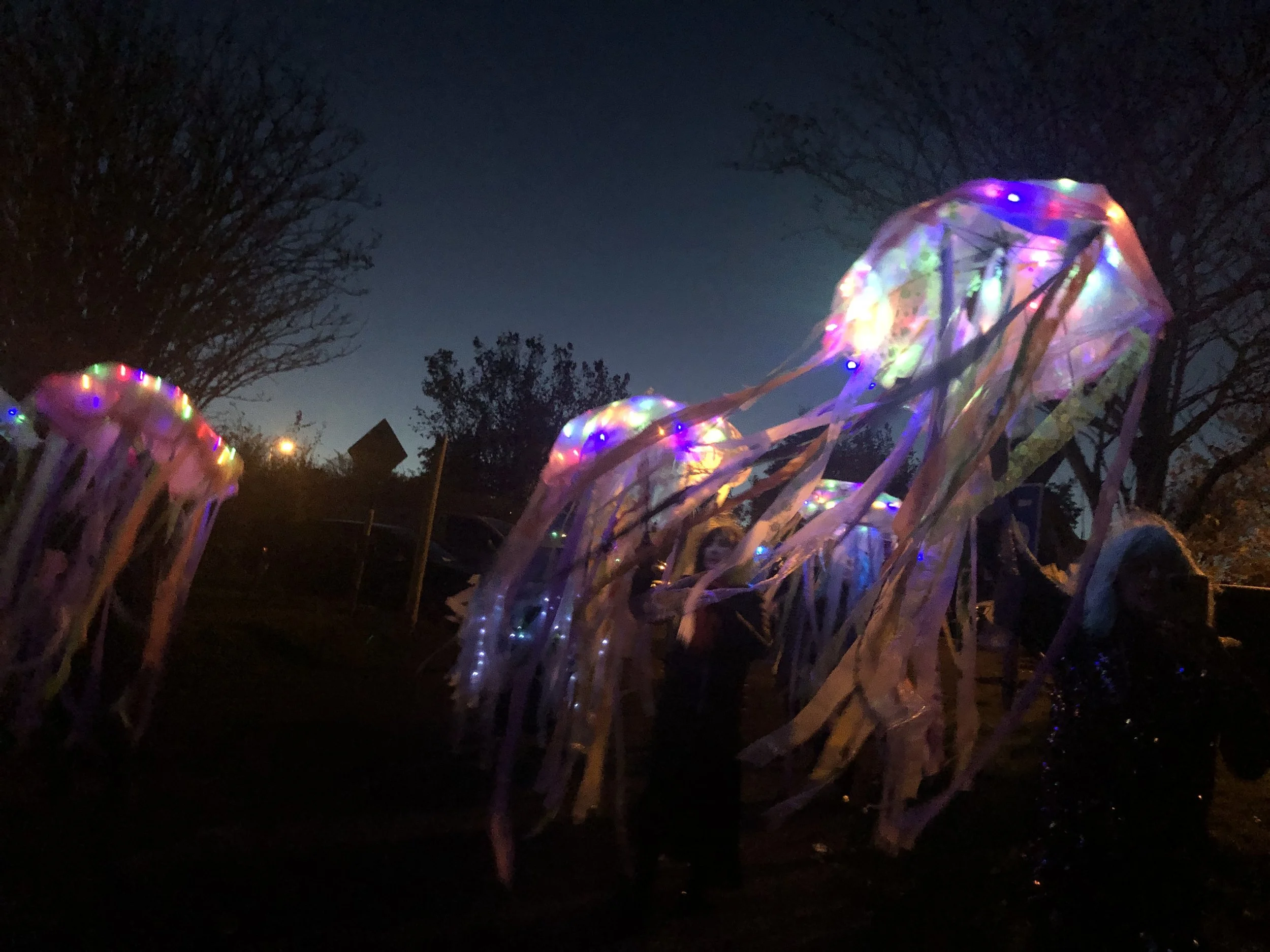
Samhain, Puca Parade, Schull, West Cork
(You can listen to this piece here - 8 mins) Please forgive the croaky voice as I recover from a bad cough. But perhaps it adds to the liminality!
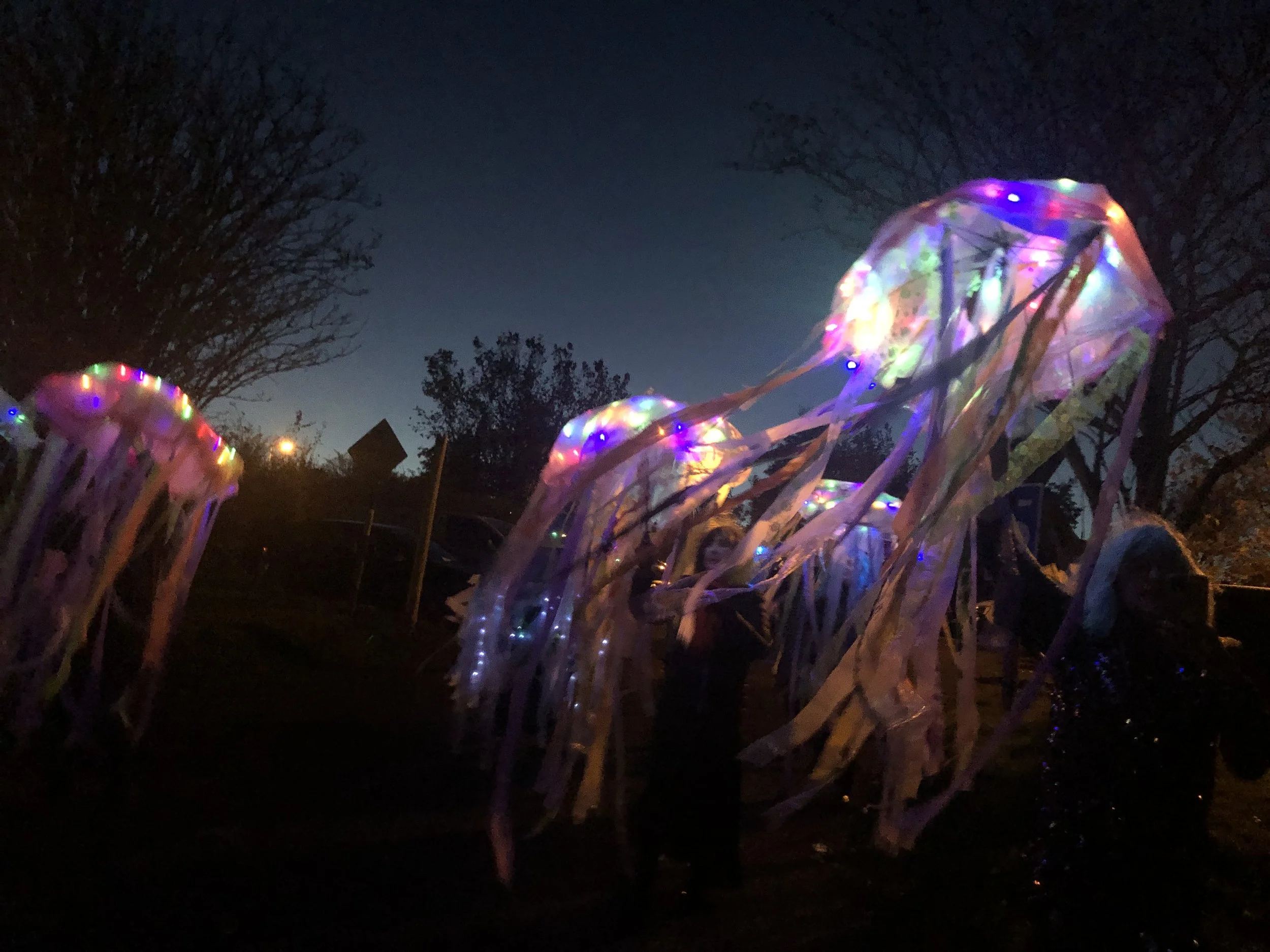
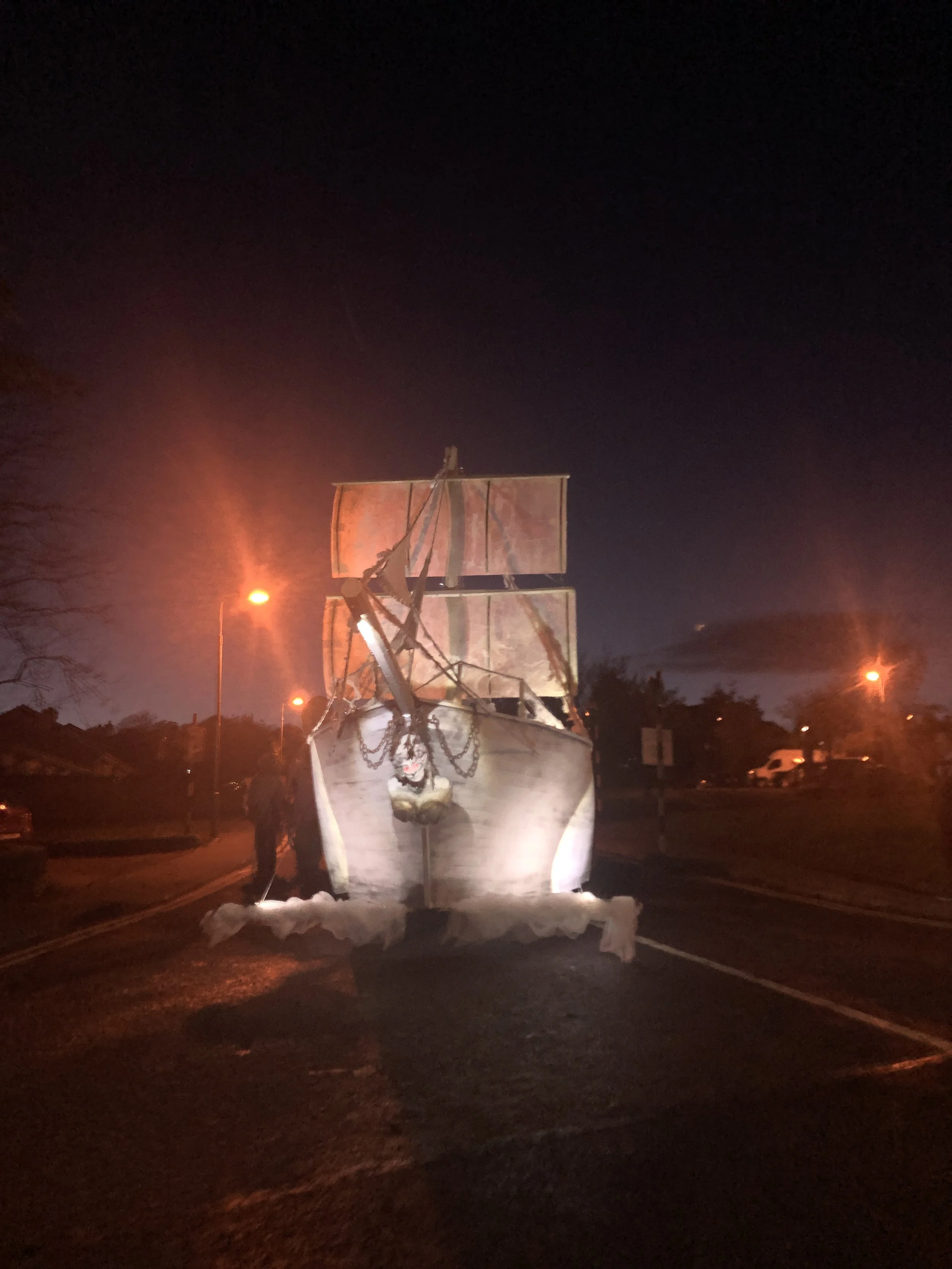
For weeks the villagers gathered. One brought old boxes, another brought fresh, pliable willow. One gathered clam shells, another brought washed up fishing nets. As evenings began to dim, the making commenced. Schull’s Puca Festival theme this year was ‘The Raising of the Lady Charlotte’, a fishing boat which sank off the West Coast of Cork in 1839. Nine sailors lost their lives and as the sails of the 2024 Lady Charlotte were hoisted over main street, it was as if the ghosts of their story are still haunting the shore.
The Samhain parade was a resurrection in many forms —of the Lady Charlotte story, but also of tradition, keeping up the playful mythic marking of the threshold into the dark cycle of the year, a time of liminality, which access to the otherworld is cracked open and souls are said to pass through. The underworld in the Celtic imagination is always just below the surface; veiled thin and pressing, and particularly so at Samhain. Masked or veiled, cloaked or covered, who is from the living realm and who is from the dead are questions which still invite mystery and mischief; questions which the Puca parade carried so well.

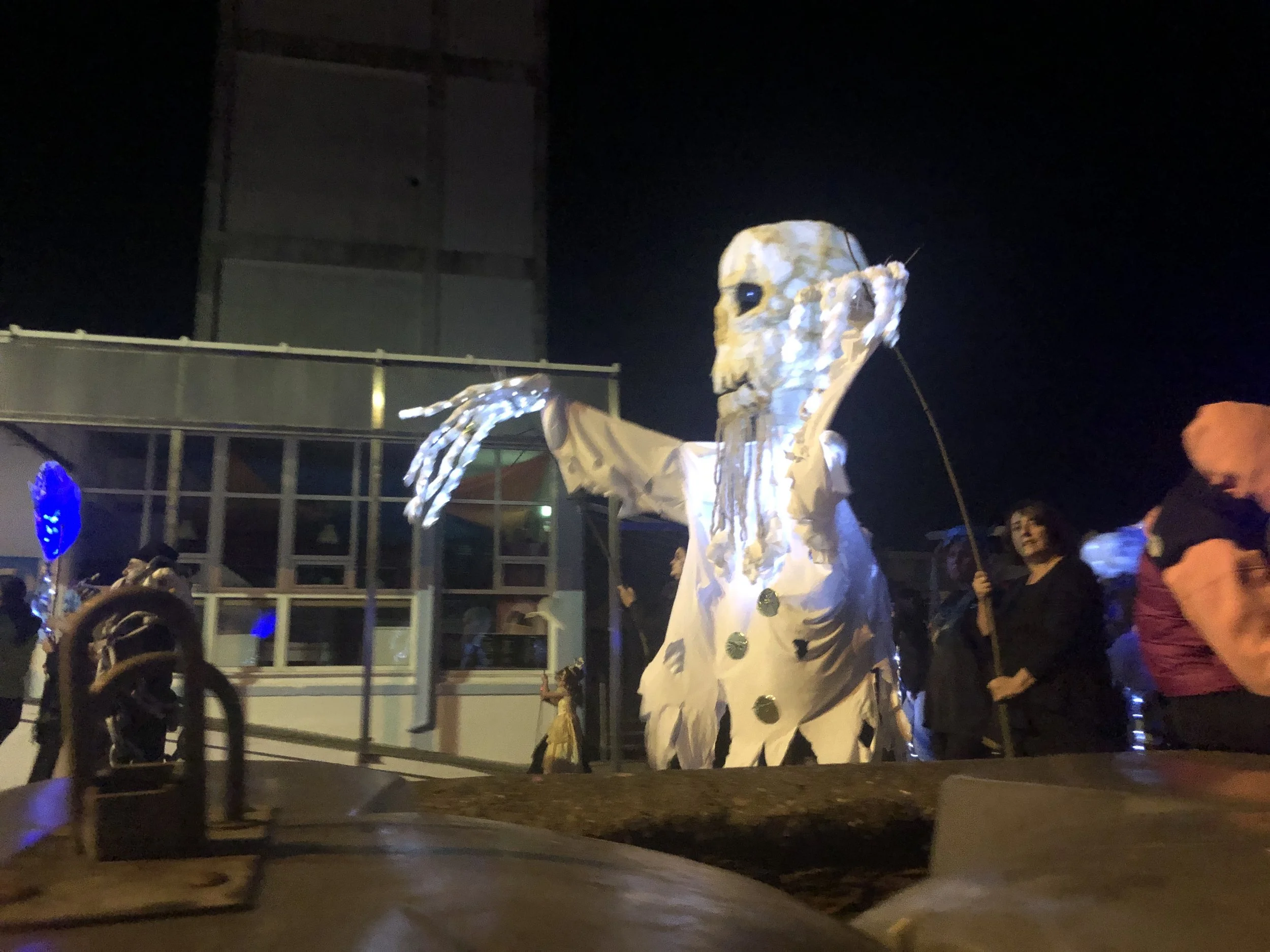
I had been away for a few weeks, so sadly my creative contributions to the event were limited to cutting out a few boat shapes and making circles from the willow, which would go on to be fashioned into fish. But every hand that helped made the street come alive in myth. A class of school children were transformed into a school of fish. There was a shoal of techno jellyfish (made from umbrellas!), a compass, a telescope, a ship of drunken sailors, a silver angelfish made from an old tent, huge skeletons rising and me, in the parade mix, holding a giant blue octopus tentacle, primely positioned for tiggling under the chins of onlookers, or even better, scaring young children, not to fright but to wonder and delight.
Samhain. The ritual is reviving, at least here in West Cork, where the following night, the next village over were having their own celebrations. And later in the week, a few villages further. Like a string of rituals, hung up to air out the old, and welcome the new. I think the place is the better for it.
Like any decent tradition, it goes deeper though too. Samhain, the initiation festival of the Celtic Calendar, the start of the Celtic year, positioned not at a time of rise, but at descent. Here in the Northern Hemisphere we are moving into the dark season, a time of release and decline, heading towards a wintering of being, the great fallow, and the slow - if we can let it. For ever season holds its gifts, and its invitations. The gift of Samhain goes beyond the playful parade or the night of trick or treat, and into the gift of the dark descent itself, which is also its invitation. What if, it asks, we allowed the darkness to take hold, if we allow ourselves the initiatory rite into its dark passage of slow time and the unknown? What might we find there? And how might we return?
The role, symbolism and questions of decent are not unique of course to the Celtic lineage. Scan any of the great mythologies and we find parallel underworld trajectories. Inanna, the Sumerian Goodness descended through the seven gates of the underworld only to be stripped bare, slain, then resurrected once the domineering masculine was rejected. She returned, like all devoted descenders, transformed. Persephone too descended, not from her own volition but from force. It was a brokered deal from Zeus which split her time between the dark and the light, the summer and winter, the masculine and feminine- in other words, she ascended to mirror the dual nature of existence, learning to straddle polarities and dichotomies, and learning to live between. In Maori tradition, we meet Hine-nui-te-po (The Great woman of the night), the Goddess of the dark, who is tasked with receiving the spirit of the dead into the underworld. It is here that out of force and will, she kills her father/ husband who, without consent, had tried to enter her, serpentine, through her vulva. She subsequently killed him with a set of piecing obsidian teeth in her vagina. If ever there was warning, let this be it. In Inuit mythology, we meet Sedna, Goddess of sea and marine creatures who, with parallels to the selkie stories of the Celtic lands, is flung to the ocean by a controlling father, sinks, grows a tail fin, has her hands frozen off, and her fingers turn into multiple sea creatures. The depths may be violent, but they are fecund too.
As the great myths continue to teach us, the underworld and the feminine are deeply, and often, deadly, intwined. What must die in order for the true power to rise? What must be slain? What transformation awaits those that dare descend?
While there is death, so too is there retrieval- of limbs, perhaps, but mostly of power or the force which ultimately emerges to restore balance and order; to allow the cycle of time and nature to continue. As the news cycles spins yet another dark spin, I can’t help but think that within these old stories is a pattern which offers their own gift of questions for these dark times we trying to navigate. In this larger cycle of time, what might we be invited to retrieve? What maps might the underworld- the world of our ancestors and mythologies, of old rituals and traditions offer us now.
As I walked along the village street, among the willow fish, the techno jelly fish, beside the haunting ghost ship and the giant squid, as crowds gathered and were filled with awe, a moment of ‘collective effervesce’ as the philosopher Emile Durkheim would call it- a feeling of social cohesion in a moment of shared purpose, knitting social structures together, I couldn’t help but think: much. It can offer so much. Like questions: what if we are only just be realising the true power of the myth or story as a map, as path, as psychological reframe? What if these stories and their honouring of the old cycles, is a way of restoring and rebalancing what holds us apart, within ourselves, and within the natural cycles of time and death and rebirth? What if the ritual is a threshold, a bridge to our transformed return; equipped with true power and the wisdom from the depths. The descent, the threshold, the liminal, the giant octopus, the community. We step across. We shapeshift.
Samhain Salon- Oct 30th
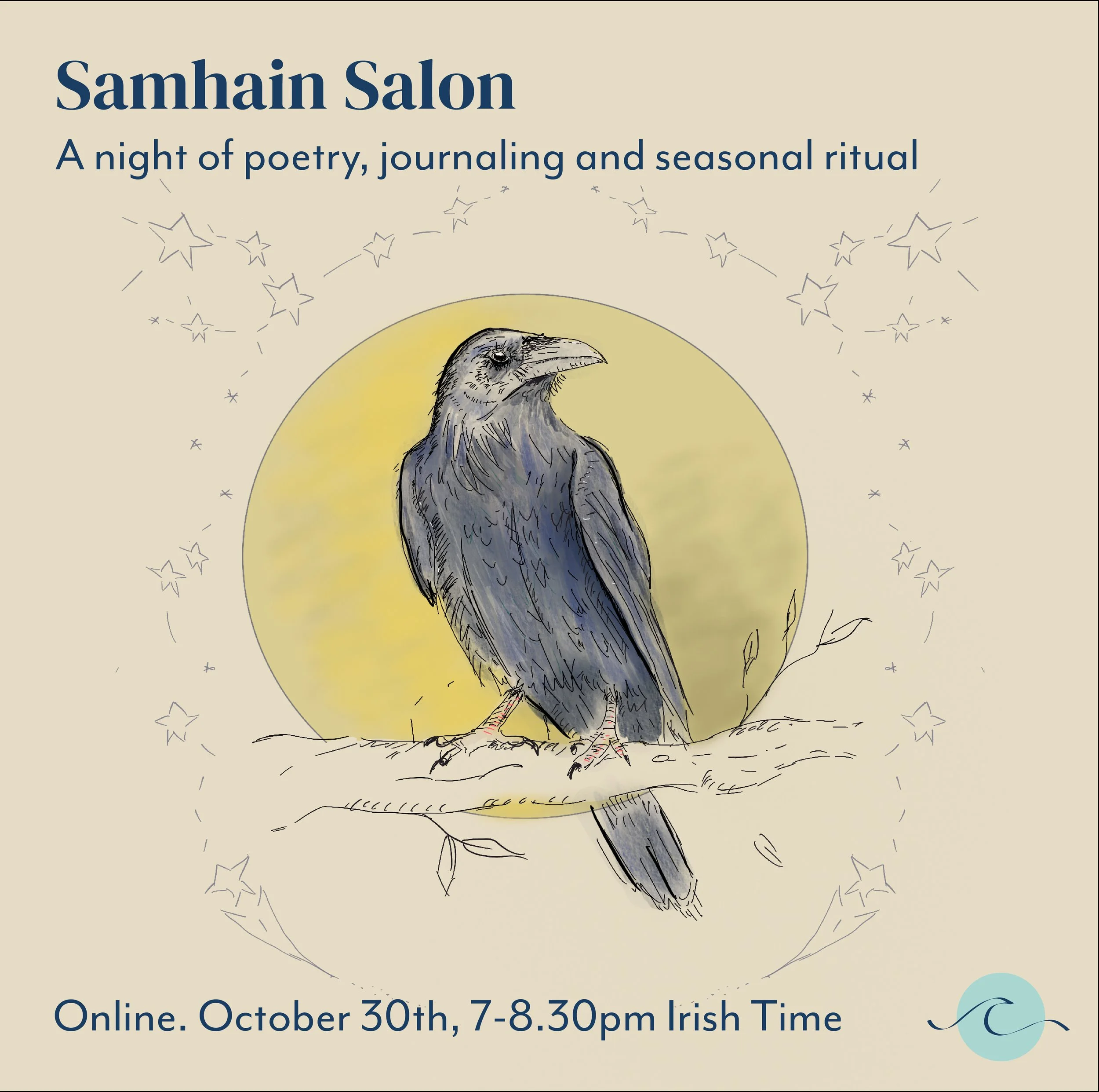
An evening of poetry, writing and ritual to make the Samhain season. Tickets here.
Hello. I'm Clare
I'm a writer, educator and facilitator, living in beautiful West Cork, Ireland. I love to share resources and learning to help harness the regenerative power of words, place and story. I hope my work offers nourishment for mind and soul. Thank you for being here. Clare x
Letters from Clare
Stay in touch…
@onewildlife
Follow Along